1. Structure
The School of Asian Languagesand Cultures offers four undergraduate programs: Japanese, Korean, Arabic, and Thai. Among these, the Japanese program is anational-level first-class undergraduate program development initiative; the Korean program is a provincial-level first-class undergraduate program development initiative; the Arabic program is a Guangdong Provincial Characteristic Program; and Thai is a language designated under the “Belt and Road” language strategic plan.
2. Faculty and Students
The School of Asian Languages and Cultures boastsa high-caliber faculty comprising 44 full-time teachers, including 37 Chinese faculty members and 7 foreign faculty members. Among the Chinese faculty, there are 8 professors, 7 associate professors, 20 faculty members holding PhDs, and 6 currently pursuing doctoral degrees. All full-time faculty members have experience working or studying abroad. The school currently has 505 students.
3. Highlights
The School of Asian Languagesand Cultures currently hosts one Guangdong Provincial Key Research Base for Humanities and Social Sciences—the “Center for Multilingual Translation and Dissemination Studies of Chinese Culture”, one provincial-level social science popularization base—the “Virtual Museum of World Languages”, and one university-level research institute—the “Institute for Chinese Character Culture in Asia”. It boasts one provincial-level teaching team—the “Demonstration Team for Basic Korean Language Courses”—as well as three university-level teaching teams and two university-level scientific research and innovation teams. Additionally, the school participates in research activities at the Ministry of Education’s Center of Polar Issues Studies, the provincial-level South China Semiotics Research Center, and the provincial-level Research Centerfor Collaborative Innovation in Airport Economy.
As the initiator of our university’s “Learn, Speak, and Use Foreign Languages Anytime, Anywhere” initiative, the School of Asian Languages and Cultures places great emphasis on practical training. It maintains extracurriculartraining bases for translation, public speaking, radio broadcasting, self-promotion, and hosting, and has signed internship agreements with over 10 enterprises, establishing a diverse platform for students’ growth and development.
For 18 years, the School of Asian Languages and Cultures has been dedicated to international education, establishing cooperative agreements with over twenty universities in countries including Japan, South Korea, Egypt, and Thailand, and developing programs such as the "1+4" International Foundation Program and the "2+2" program. Five joint international training programs are available, including dual degrees, "3+1" or "3+0.5" semester exchanges, and paid internships during winter and summer vacations. Currently, 100% of Korean language students participate in exchange programs in South Korea, while Japanese, Arabic, and Thai language students also enjoy highly accessible overseas study opportunities.
Graduates of the School of Asian Languages and Cultures are highly sought after by enterprises in the Guangdong-Hong Kong-Macao Greater Bay Area, with an annual employment rate consistently exceeding 98%. Graduates are widely employed a crosspublic institutions, including local government agencies and primary and secondary schools. They are also recruited by large state-owned enterprises like China Southern Airlines, international agencies such as the Consulate General of the Republic of Korea in Guangzhou, and domestic and foreign-funded enterprises including Emirates Airlines. In recent years, nearly 100 graduates have been admitted to prestigious domestic and international universities to pursue graduate degrees, including Guangdong University of Foreign Studies, Tianjin Foreign Studies University, Dalian University of Foreign Languages, the National University of Singapore, the University of Edinburgh (UK), the University of Nottingham (UK), Seoul National University (South Korea), Yonsei University (South Korea), HiroshimaUniversity (Japan), and Chiang Mai University (Thailand).
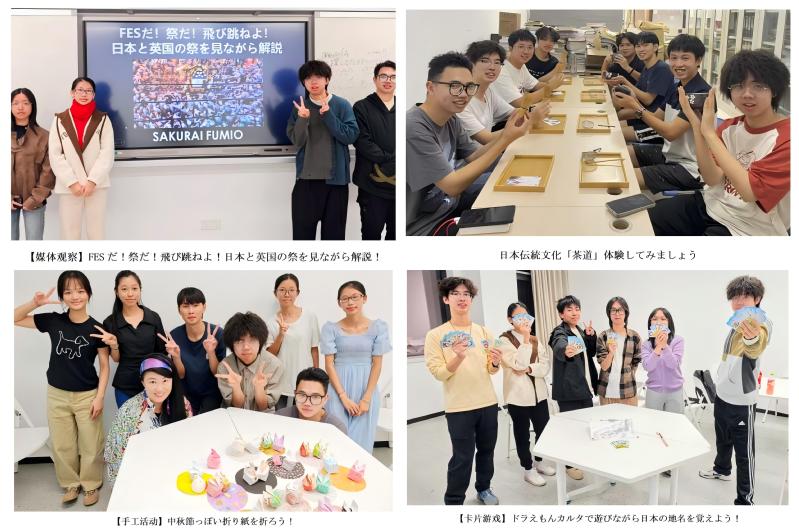
Figure 1 Immersive cultural experience of the Japanese Corner
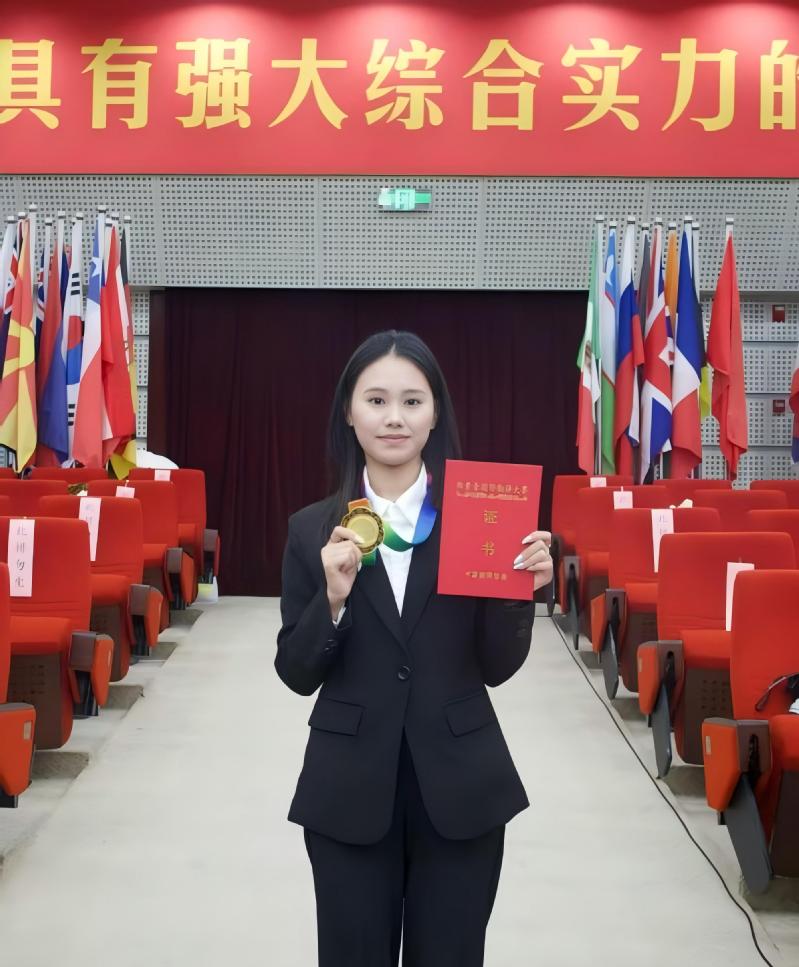
Figure 2 Chen Wanyi, a Korean-Chinese translation first prize winner of the 36th Han Suyin International Translation Contest
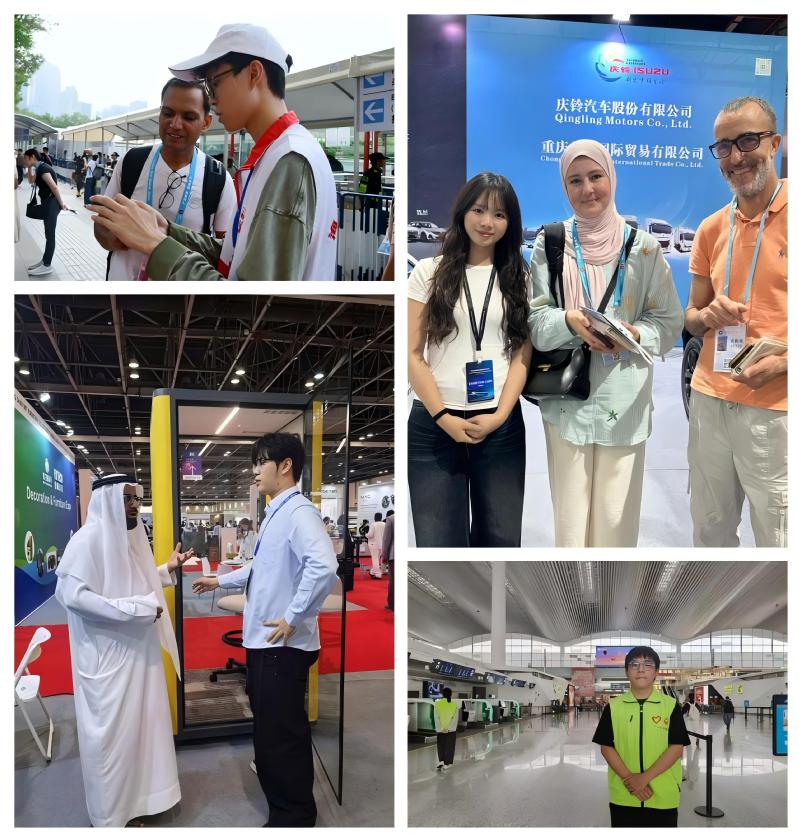
Figure 3 Students of the Arabian Language and Culture providing interpreting services at expos and trade fairs
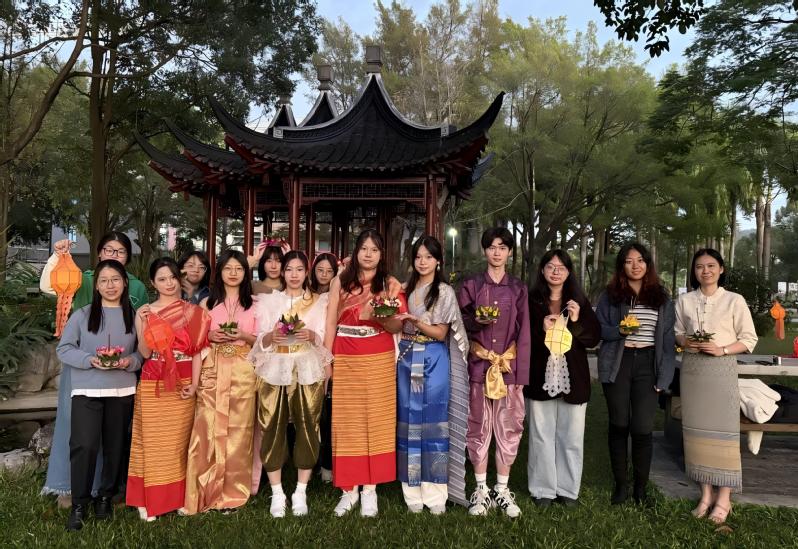
Figure 4 Teachers and Students of Thai Language and Culture celebrating the Loy Krathong Festival

